Shopify abandoned cart recovery, built for you.
We set up and test abandoned cart email flows, with WhatsApp or SMS where they suit your market, inside your own Shopify and email tools.
From Northwind Home · 1 hour after exit
You left something behind
Still thinking it over?
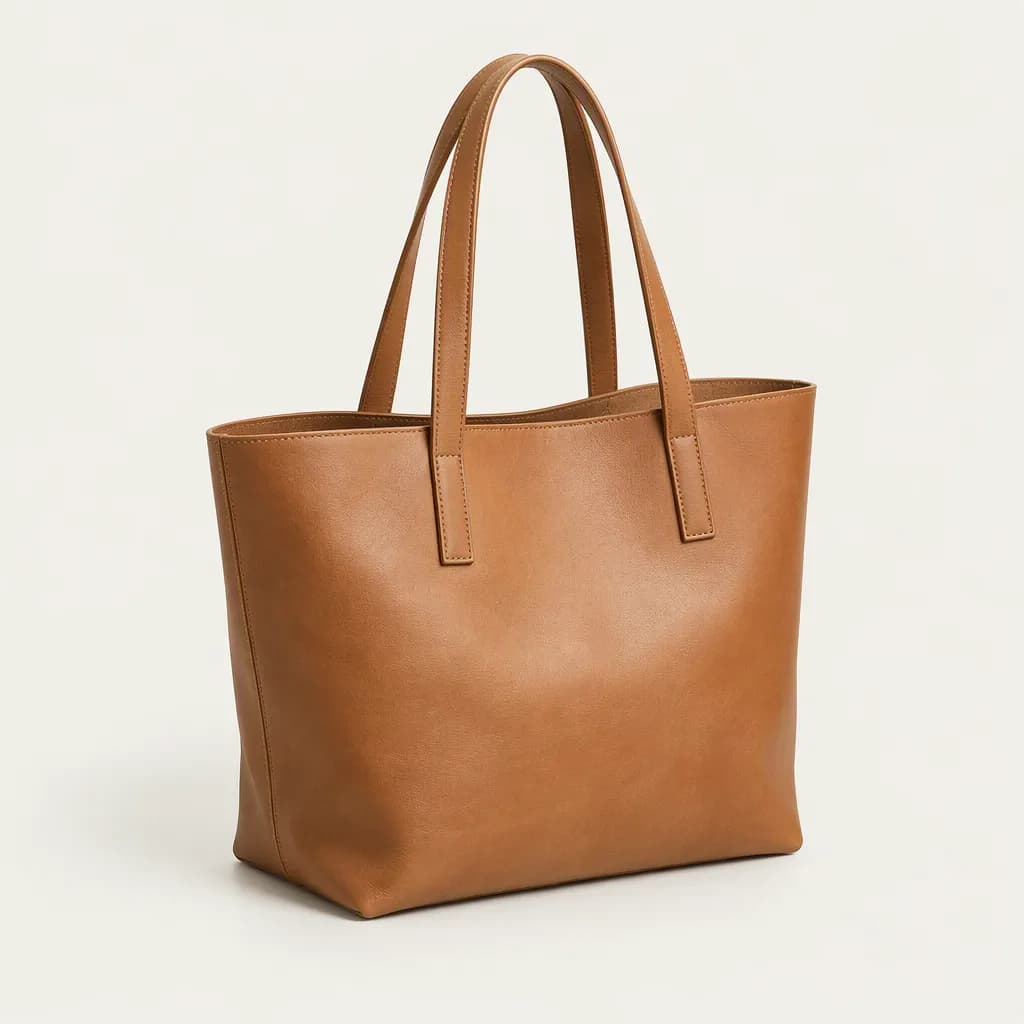
Your Tan Leather Tote is saved in your cart.
Complete my order- STARTS FROM
- $599 · setup, 8 flows
- DELIVERY
- Agreed in your quote
- CHANNELS
- Email, plus WhatsApp or SMS where suitable
- SETUP INCLUDES
- 8 flows from the email starter price
A customer who adds to cart and leaves has told you something useful: they wanted the product. The recovery message is where most stores either do nothing, or send a single generic reminder with a discount in it. This service builds the proper version, once, and hands it over.
What you get
- An abandoned cart sequence of three to four emails, each with a different job: reminder, objection handling, proof and gentle urgency.
- Browse abandonment and checkout abandonment flows, as separate triggers with different timing.
- Optional WhatsApp or SMS steps, with approved templates and consent handling.
- Dynamic cart blocks showing the actual items, images, prices and variant details.
- Sensible exit rules, so customers who buy stop receiving messages.
- Tracking set up so you can see recovered revenue per flow.
- A short handover document explaining each trigger, delay and edit point.
How it works
- You tell us your email platform, store, average order value and whether you have WhatsApp or SMS consent.
- We review your setup and send a fixed quote for the flows you want.
- You add us as a staff or collaborator account on Shopify and as a user on the email tool. No passwords change hands.
- Our AI engine drafts the copy and flow structure; a person reviews every message and tests every trigger with a real cart.
- You approve the copy and design. We switch the flows on and hand over the documentation.
What recovery flows get wrong
Most underperforming flows fail in dull, fixable ways, and a guide such as our abandoned cart sequence breakdown covers the structure. Three mistakes appear again and again.
| Common failure | What we do instead |
|---|---|
| Sending a discount in email one | Lead with a reminder; hold any incentive back until later, if at all |
| Cart block shows the wrong variant or no image | Test with real carts across variants and currencies |
| Customer buys and still gets the reminder | Exit conditions on purchase, and a check on checkout-started timing |
| Sending to people who did not opt in | Respect consent; only email and message those with permission |
| One message for every cart | Split by cart value or new versus returning customers |
For WhatsApp and SMS the rules are stricter. They need explicit consent, WhatsApp requires approved templates and a business account, and costs per message differ by country. In India, a WhatsApp reminder often performs differently than email; in some other markets, SMS rules and expectations vary. We explain the trade-offs before adding a channel.
Cart, checkout and browse abandonment
These are three different triggers, and Shopify treats them differently. A customer who adds to cart but never enters an email cannot be emailed, because you do not know who they are. A customer who starts checkout and leaves has given an email, so an abandoned checkout flow can reach them. Browse abandonment needs the shopper to be identified by your email platform's tracking.
We set up each trigger only where your data supports it, and explain what is missing where it does not. If you use Shopify's own abandoned checkout email, we can replace it with a longer flow or keep it and add the other triggers.
Deliverability and testing
- Sender authentication. SPF, DKIM and a branded sending domain set up with your email platform, so messages are less likely to land in spam.
- Subject lines and preview text. Written as pairs, with two variants ready for testing once you have enough volume.
- Mobile and dark mode. Checked across the common inboxes, since most carts are abandoned on a phone.
- Testing plan. We tell you which test to run first, usually timing or the first email's angle, and how many sends it needs before you trust the result.
Pricing
Email and abandoned cart setup starts from ₹12,999 / $599 / £479 / A$899 for 8 flows. WhatsApp automation starts from ₹9,999 / $379 / £299 / A$569 for setup. The fixed quote comes after we look at your store and email platform. Message sending costs on your email or WhatsApp provider are separate and paid by you directly. See /pricing and /ecommerce-email-marketing.
Turnaround
We agree the timeline up front, in your fixed quote. WhatsApp template approval is decided by Meta, so we plan around it rather than promise it.
Is this a fit?
It suits Shopify stores with steady traffic and no working cart sequence, or one built years ago and never revisited. It suits stores adding WhatsApp for the first time.
If you have very little traffic, a basic built-in Shopify abandoned checkout email may be enough for now, and our guide will help you set it up yourself. We are also not the right answer if you want a guaranteed uplift; nobody can responsibly offer one.
Ask for the free 10-product sample if you want catalog work too, or request a flow quote at /get-started.
Related services and guides
Specialist pages and practical guides for this work.
SPECIALIST SERVICES
- AI product photography service, managed
- AI search optimization for your catalog
- An Amazon virtual assistant, by the project
- Customer service automation, set up for you
- Catalog management as a service, not another tool
- Ecommerce outsourcing, productised
- Ecommerce product listing, one catalog, every channel
- Ecommerce SEO for your catalog data
- Google Merchant Center disapprovals, fixed
- Product data entry, without the double-keying
- Product descriptions, written for the whole catalog
- Product photo editing service, at catalog scale
- Shopify store management, done for you
- Shopify store setup with products loaded
- A Shopify virtual assistant for catalog work
- A WhatsApp chatbot for your store
- WhatsApp COD confirmation, set up for you
SEND US
10 PRODUCTS.
See what your catalog can look like before you commit to anything.
Free if your project is a fit.





Questions we get asked.
Something not covered here? Tell us about your catalog and we'll answer directly.
We build in the platform you already use or are choosing, commonly Klaviyo, Shopify Email or Mailchimp. We recommend based on your volume and needs, and the flows live in your account, so you keep them if you stop working with us.
No. Recovery depends on your traffic, prices, audience and offer, and anyone quoting a figure without seeing your store is guessing. We build sound flows, test them, and show you how to read the results.
No. Email is the core. WhatsApp or SMS is an add-on that suits some markets and needs consent and, for WhatsApp, an approved business account and templates. We tell you honestly whether it is worth adding.
No. We never ask for passwords. You add us as a staff or collaborator account, and invite us to your email platform as a user, both removable at any time.
The timeline is fixed in your quote, based on scope. WhatsApp approval timelines sit outside our control and are quoted separately.
Three or four is a common structure: a reminder within the first hour or two, a follow-up the next day and a final message a few days later. We set timing around your buying cycle. Higher-priced products often need a longer gap than low-priced ones.
It depends on the country and on what the customer agreed to. Most regimes require consent or a lawful basis, an unsubscribe link and a sender identity. We build in unsubscribe and consent checks, but your legal obligations are yours to confirm with a professional.
SEND THE CATALOG.
WE'LL TAKE IT FROM HERE.
Tell us what you have, where it needs to go, and how many products you're working with.