Shopify migration service for Australia.
Move your Australian store to Shopify with products, customers, redirects and payment options carried over. Fixed price in AUD, human-checked, approved by you before launch.
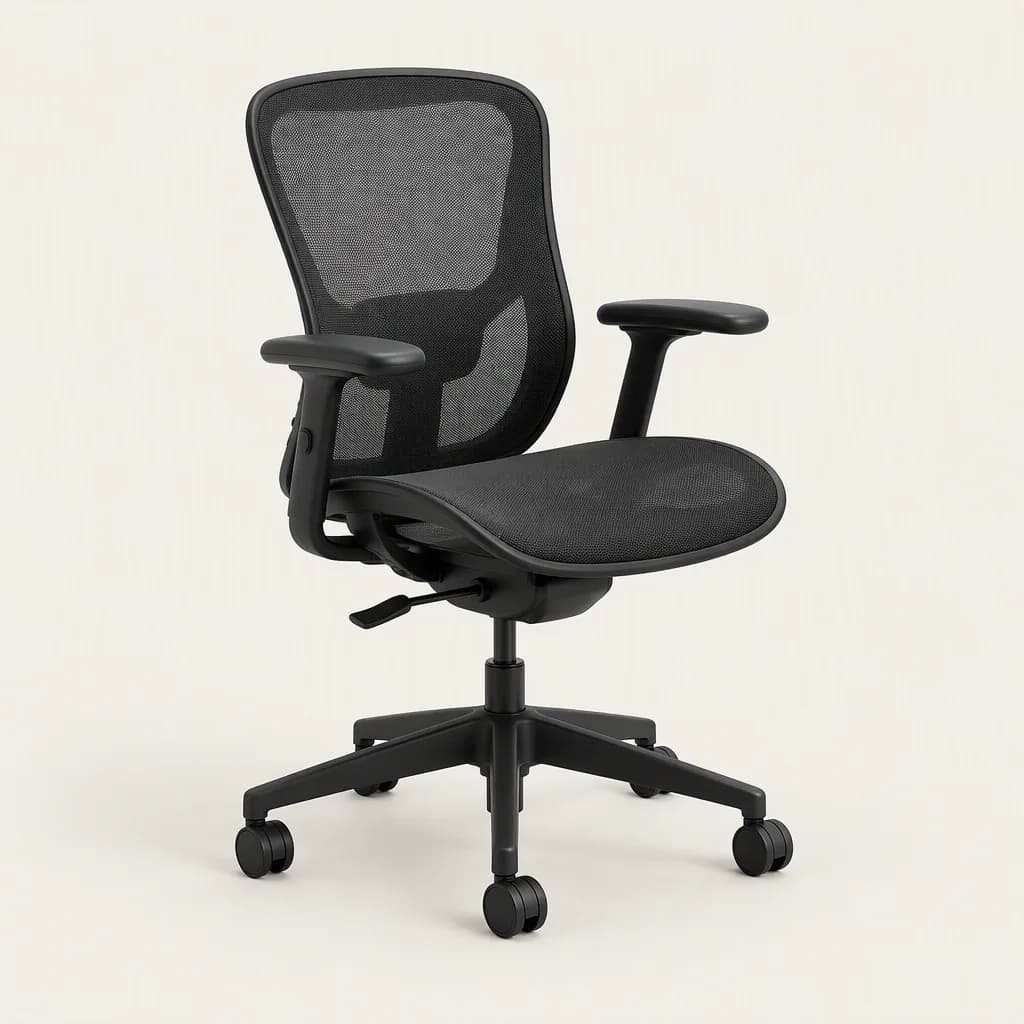 MOVED
Black Ergonomic Office Chair
301 · /black-ergonomic-office-chair
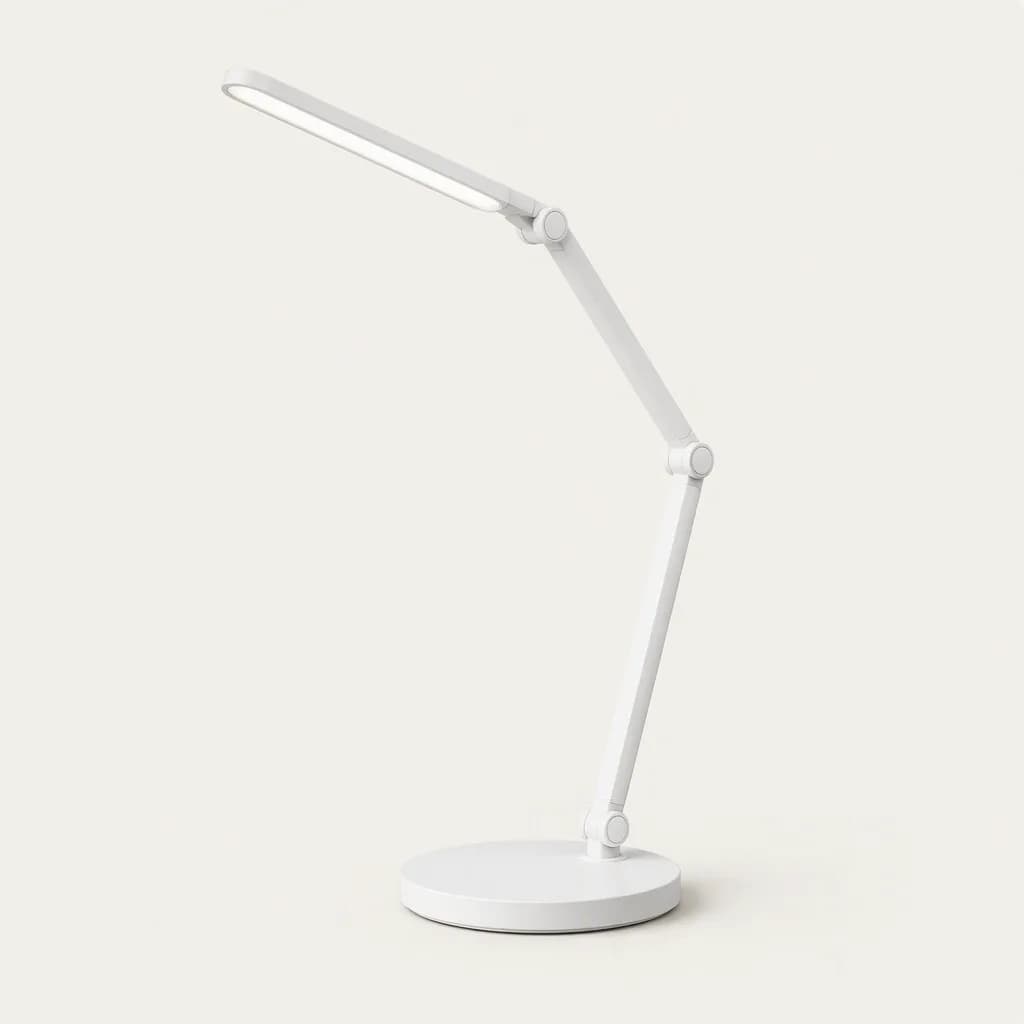 MOVED
White LED Desk Lamp
301 · /white-led-desk-lamp
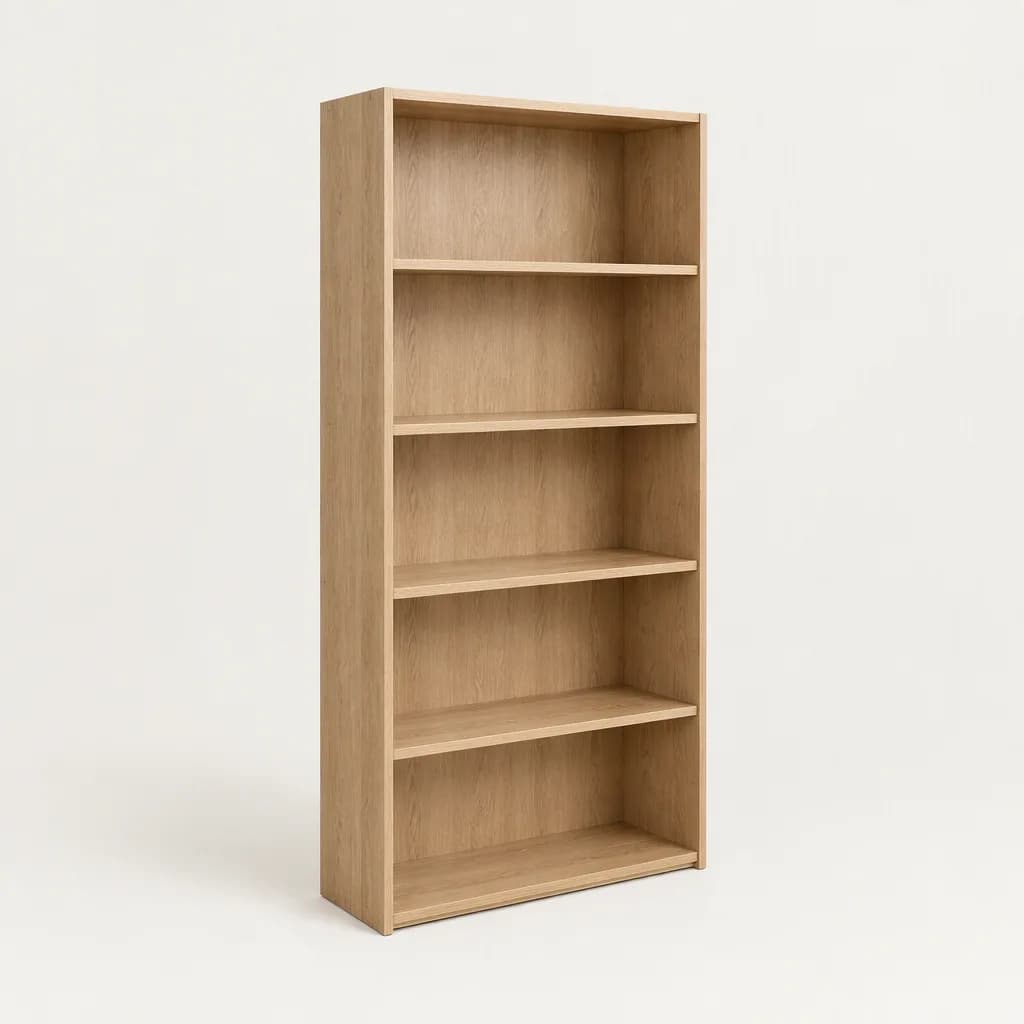 MOVED
5-Tier Oak Bookshelf
301 · /5-tier-oak-bookshelf
- PRODUCTS
- 1,204
- REDIRECTS
- 1,204
- CUSTOMERS
- 8,930
- PRICING
- Fixed quote per store
- DELIVERY
- Agreed in your quote
- PRICING
- AUD, GST-inclusive display
- MOVES FROM
- WooCommerce, Magento, BigCommerce, Wix and more
Australian stores usually move to Shopify for the checkout, the apps and the ease of running promotions. The move itself is mostly about not losing what you already have: URLs, customers, payment options and clean tax display.
What you get
- Products, variants, images, collections and metadata moved to Shopify.
- Customers and order history imported where the source platform allows.
- Prices carried over in AUD and GST-inclusive or exclusive, as you instruct.
- 301 redirects from old URLs to new ones.
- A shipping and payments checklist for your launch.
- A QA report comparing source and destination counts.
How it works
- Audit. You send an export or give read-only access. We list products, collections, pages and URL patterns.
- Fixed quote. One price per store, in AUD.
- We build. The AI engine does the volume and a person reviews every output.
- You approve. The Shopify store stays unpublished while you test products and checkout.
- Cutover. Redirects load, you point the domain, and we spot-check through a collaborator account.
What is different about Australian migrations
GST-inclusive display
Australian shoppers expect to see one price, GST included. A WooCommerce store may hold prices ex-GST with tax added at checkout, whereas Shopify can be set to show tax-inclusive prices. The move is where a 10% difference creeps in. We compare a sample of products on both platforms before and after, and flag any row where the displayed price changed. See our Australian GST guide.
Shipping apps
Australian stores often rely on Australia Post or Sendle. On Shopify these connect through carrier integrations, apps or manual rate tables. Parcel size and weight data drive them, and unreliable weights are the number one problem we see after a migration. We clean those fields and list what you need to configure. Where a carrier has parcel limits, we flag oversized products.
Afterpay and Zip
Buy-now-pay-later options are widely used and sit in the checkout. They are not migrated as data. We note which ones the old store offered, confirm the new store has them enabled and check that messaging on product pages is not lost in the move. Provider rules and eligibility are theirs, not ours.
Redirects
| Old URL | New URL |
|---|---|
| /product/linen-shirt | /products/linen-shirt |
| /product-category/mens | /collections/mens |
We test every line, because a redirect chain is the usual cause of lost link value. Our 301 redirect guide shows the format.
Pricing
Platform migration is quoted per store, in Australian dollars, after a scoping look at your store. The fixed quote reflects products, variants, customers, languages and redirects, and arrives before work begins; see pricing. The quote also sets the timeline, based on scope.
Is this a fit?
It suits Australian stores with a few hundred products or more, a search history to protect, or a messy store that needs tidying on the way. See our WooCommerce to Shopify page for the most common route.
If you have a small catalogue and little traffic, Shopify's own import tools may be enough. For theme design, custom development or GST advice, hire a specialist.
Read about the store migration service, then ask for a free 10-product sample or a fixed quote.
Related services and guides
Specialist pages and practical guides for this work.
SPECIALIST SERVICES
- BigCommerce to Shopify migration service
- Magento to Shopify, without losing what ranks
- Shopify migration service for Canada
- Shopify migration for UK stores
- Shopify migration for US stores
- Squarespace to Shopify migration service
- Wix to Shopify migration, done properly
- WooCommerce to Shopify migration service
GUIDES
- MIGRATIONBigCommerce vs Shopify: how to choose for a growing catalog
- MIGRATIONMagento to Shopify migration: the checklist we work from
- MIGRATIONReplatforming without losing rankings: what to do before, during and after
- MIGRATION301 redirect mapping for a platform migration, with templates
- MIGRATIONShopify vs Squarespace for an online store: how to choose
- MIGRATIONWix vs Shopify for ecommerce: an honest comparison
SEND US
10 PRODUCTS.
See what your catalog can look like before you commit to anything.
Free if your project is a fit.





Questions we get asked.
Something not covered here? Tell us about your catalog and we'll answer directly.
Yes, if you choose it. We carry over the prices on the basis you confirm and check Shopify's tax settings for tax-inclusive display, which is the norm for Australian consumers. Your accountant decides GST treatment of specific products.
Payment methods are connected inside Shopify's checkout settings, so you or your account holder do that. We list what the old store uses, check product price ranges against the providers' limits, and flag gaps before launch. We never enter payment credentials.
We prepare weights, dimensions and product data so rates compute, and list the shipping apps or rates you need. Carrier accounts and live rate setup are yours unless you ask us to help. We never need your carrier password.
We map a 301 redirect for every old URL and test it before the domain moves. Results can still shift after any migration, so we do not promise rankings, but redirects, titles and meta fields are carried over as carefully as the source allows.
Yes. Migration is quoted per store, as a fixed quote in Australian dollars after we inspect your data. The quote reflects products, variants, customers, languages and redirects.
SEND THE CATALOG.
WE'LL TAKE IT FROM HERE.
Tell us what you have, where it needs to go, and how many products you're working with.